What Is All-in-One Business Software - and Do You Need It?
The phrase gets thrown around a lot. All-in-one business software. Consolidate your tools. Replace ten platforms with one. It sounds like a solution to a problem you might have - but if you're not sure whether the problem applies to you, the whole thing can feel like just another piece of tech being sold to you.
What All-in-One Business Software Actually Means
All-in-one business software is a single platform that handles the core functions of running an online business - instead of using a separate tool for each one. Rather than paying for an email platform, a funnel builder, a booking tool, a CRM, and a course platform separately, everything lives in one place under one login.
The tools talk to each other because they're built into the same system. A lead comes in through your landing page, goes straight into your CRM, triggers an automated email sequence, and books a call - all without you manually moving data between platforms or worrying about integrations breaking.
That's the core idea. Not a stack of tools that sort-of connect. One platform where everything is already connected.
What It Typically Replaces
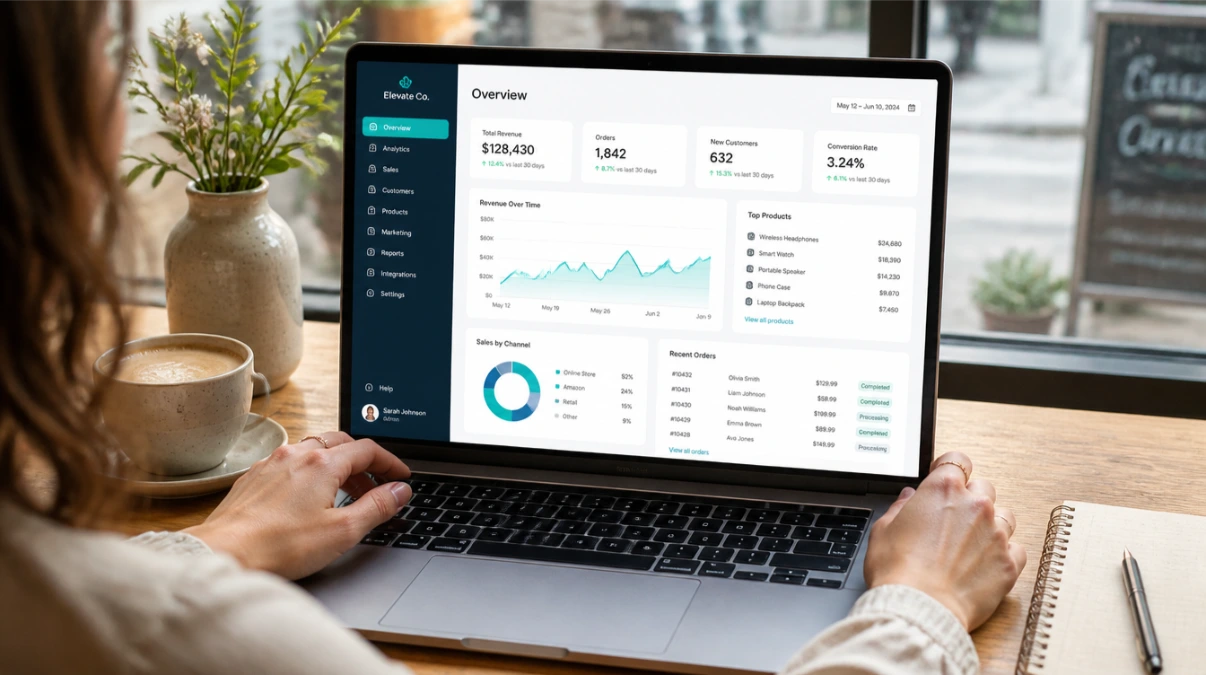
A well-built all-in-one platform for small business owners will cover most or all of these:
Email marketing and automated sequences
CRM - contacts, leads, and follow-up management
Landing pages and sales funnels
Booking and calendar management
Course and programme hosting
Community hosting
Payment collection
Workflow automation connecting all of the above
According to BetterCloud, the average company now runs 106 SaaS apps - and even businesses with under 200 employees average 44.
That's typically four to eight separate tools for a solo online business. Each one has its own login, its own billing cycle, its own quirks - and its own monthly cost.
If you want to see what that stack costs in real numbers, what a typical tool stack costs each month breaks it down in full.
Who It Was Built For - and Who It Wasn't
All-in-one software has a reputation for being an enterprise tool. It isn't - or at least, the right platforms aren't. The ones worth looking at for a small online business were built specifically for solopreneurs, coaches, and service providers who need to run a complete business without a technical team behind them.
The reader this type of software was built for looks something like this:
Running an online coaching, consulting, or service business
Selling courses, memberships, or programmes
Managing leads, bookings, and follow-up without a dedicated admin
Currently paying for multiple tools that don't fully integrate
Spending time on admin that should be automated
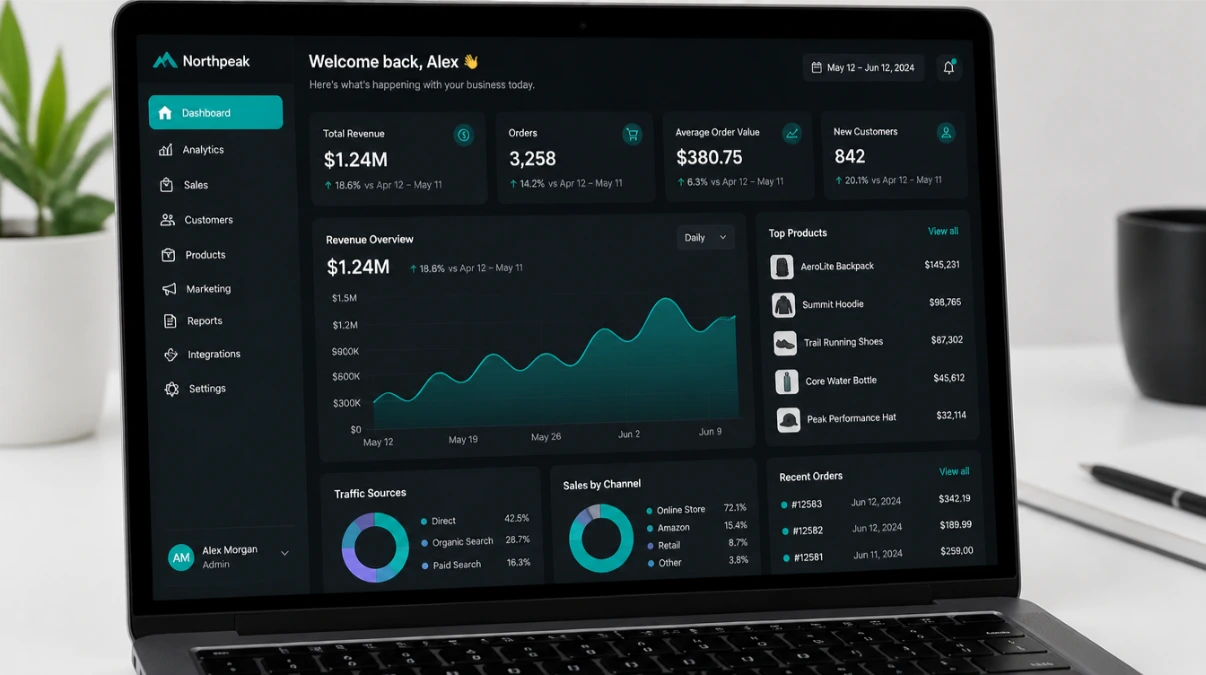
Who it probably wasn't built for: a freelancer with one or two clients who only needs an invoice tool and a calendar link. If your business is that simple, a full all-in-one platform is more than you need right now. There's no shame in that - it just means the timing isn't right yet.
The Signs You Actually Need It

You probably already know something is wrong. You just haven't connected it to the tool stack yet.
You're spending time on admin that should be automatic
Manually adding contacts to your email list after a booking. Copying lead details from one platform to another. Sending follow-up emails by hand because the automation didn't fire properly. These are integration gaps - and they exist because your tools weren't built to work together.
Something breaks and you don't know where to look
A payment doesn't process. A new client doesn't receive their onboarding email. A booking confirmation goes to the wrong address. When your business runs across four or five platforms, tracking down the source of a problem means logging into each one separately. Business owners who've made the switch consistently name this as one of the first things they notice: one place to check when something goes wrong.
Your tool costs have crept up without you noticing
Subscriptions added one at a time rarely feel expensive. Added together, they often are. If you haven't looked at the total recently, it's worth doing.
Not sure which platform is worth switching to? how all-in-one platforms compare for coaches and solopreneurs has the full breakdown.
The One Reason People Hold Off (and Whether It's a Good One)
The most common reason people don't switch to an all-in-one platform isn't the cost. It's the migration. Moving contacts, rebuilding sequences, recreating landing pages - it sounds like a project, and projects take time that most business owners don't feel they have.
That hesitation is understandable. It's also worth examining honestly.
If your current setup is costing you $300-400 a month and taking hours of manual admin each week, the time spent migrating pays for itself within a month or two. The question isn't whether the migration takes effort. It's whether staying where you are is actually the easier option - or just the more familiar one.
The other thing worth knowing: most all-in-one platforms built for small businesses include onboarding support. You're not rebuilding everything alone from scratch. The ESC Hub team works through the setup with members - that's part of what the platform includes.
If you're thinking about what the switch actually involves, what to expect when you start building your business systems in one place walks through what to expect.
So - Do You Really Need It?
If you're running an online business and you're managing more than two or three separate tools, the honest answer is yes - you need it, or you will soon.
Not because all-in-one software is the fashionable answer. Because fragmented tools create friction, and friction has a cost. It costs money in duplicate subscriptions. It costs time in manual admin. And it costs the kind of mental energy that should be going into actually running your business.
All-in-one software doesn't add complexity. For the right business, it removes it.
The only real question is timing. If you're at the stage where you're actively building your business systems - setting up your email list, your lead magnet, your booking process, your client onboarding - building it inside one platform from the start is a lot easier than building it across five and migrating later.
Try ESC Hub Free for 14 Days
ESC Hub is an all-in-one business platform built for online coaches and solopreneurs. CRM, email marketing, funnels, bookings, courses, payments, and automations - one platform, one login, one team behind you.
Start your free 14-day ESC Hub trial at eschub.com