How Much Does All-in-One Business Software Cost?
If you've been running your online business for a few years, you've probably picked up tools along the way. An email platform here. A landing page builder there. A booking tool. A CRM. Maybe a course platform. Each one solved a problem at the time, and now you're sitting on a stack of subscriptions you barely think about - until you add them up - and start wondering whether one all-in-one platform would just cost less.
The answer usually surprises people.
What Does a Typical Small Business Tool Stack Actually Cost?
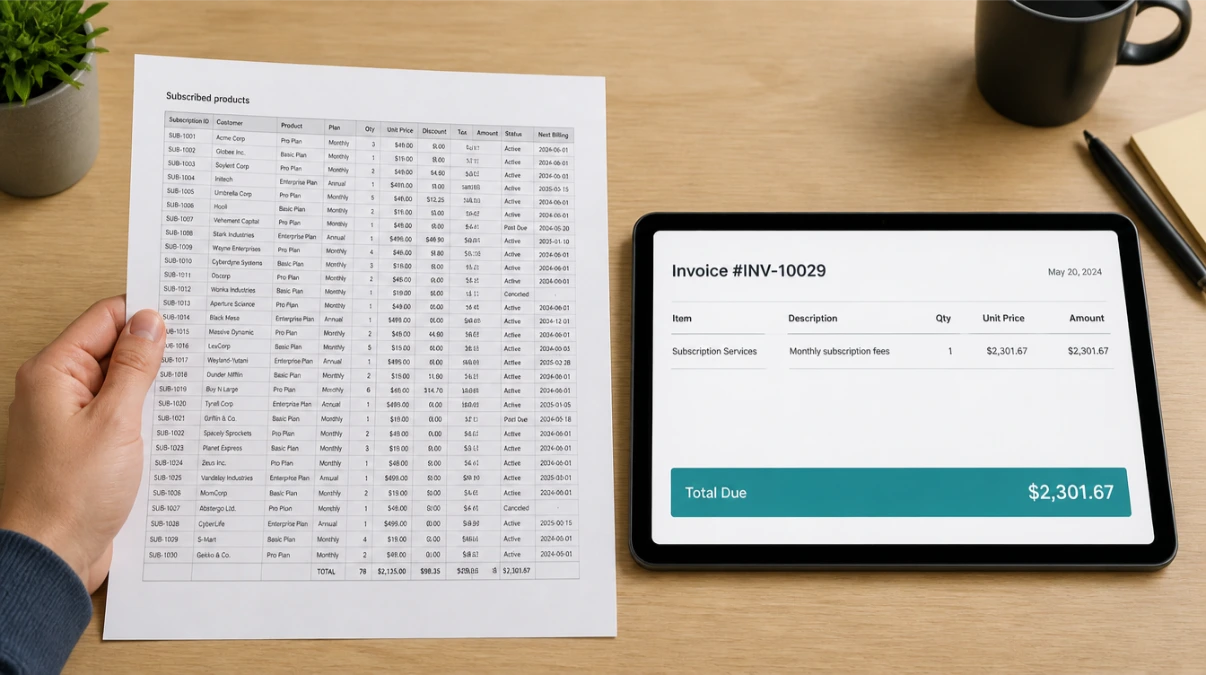
You probably didn't build your tool stack by design. You grabbed the tool that solved the immediate problem, then moved on - grabbing the tool that solves the immediate problem, then moving on. The result is a collection of platforms that don't talk to each other, charge separately, and quietly eat into profit every single month.
Research from Productiv puts the average SMB spend at $156 per user per month on SaaS subscriptions alone. For a solo operator, that number looks different - but the stack creep is the same.
Here's what a typical stack looks like - and what it costs at standard paid tiers:
Email marketing (e.g. Mailchimp or ActiveCampaign): $20-$70/month
Landing pages and funnels (e.g. Leadpages or ClickFunnels): $37-$127/month
Booking and calendar tool (e.g. Calendly): $12-$20/month
Course and community platform (e.g. Kajabi): $69-$199/month
CRM or contact management: $25-$90/month
Payment and checkout tool: $0-$49/month plus transaction fees
Conservative total: ~$163/month. Mid-range total: ~$350-$500/month.
And that's before transaction fees, annual plan lock-ins, or the extra tiers you had to upgrade to because the lower plan ran out of contacts, seats, or features.
Why the Real Number Is Usually Higher Than You Think
There are a few ways the true cost of a fragmented stack sneaks past you.
You're paying for features you don't use
Platforms like Kajabi bundle in features that look impressive on a pricing page but don't match what a solo business owner actually needs. You pay for the full tier because the feature you do need - say, a custom domain or a certain number of contacts - sits on the higher plan.
Transaction fees add up faster than you expect
Some tools charge a percentage on every sale, even after you're paying a monthly fee. Over a few hundred dollars in sales a month, that's a meaningful amount disappearing in the background.
You're logging into multiple platforms to fix one thing
This one doesn't show up on a bank statement, but it's real. A payment that doesn't process. A lead who doesn't receive their confirmation email. Tracking the issue across three or four separate platforms takes time - and time has a cost too.
This is the all-in-one software argument that tends to land hardest: it's not just the money. It's the mental overhead of managing tools that weren't built to work together.
What All-in-One Business Software Costs

All-in-one platforms consolidate those separate tools into a single monthly subscription. Instead of paying for email, funnels, bookings, CRM, and courses separately, you pay one price and manage everything in one place.
Pricing varies by platform, but here's a realistic range for small business-focused options:
Entry-level all-in-one: $47-$97/month
Mid-tier all-in-one: $97-$197/month
Enterprise or agency-level: $297+/month
At the entry level, $97/month covers the full feature set of the better-built all-in-one options - CRM, email, funnels, bookings, and course hosting included, with no transaction fees on top. Compared to the conservative $163/month stack above, the saving is immediate. Compared to a mid-range stack running at $400/month, the saving is real.
If you're weighing up which tools to cut first, how all-in-one pricing compares across the major platforms can help you prioritise.
Is All-in-One Business Software Worth It for a Small Business?
The short answer: yes - with one condition. The platform has to actually replace the tools you're using, not sit alongside them.
The trap some business owners fall into is paying for an all-in-one platform while keeping their old tools running "just in case" or because they haven't had time to migrate. If you're doing that, you're paying twice. The switch only saves money if you actually make it.
What to check before you commit
Before choosing an all-in-one platform, confirm it covers the tools you currently pay for most. The platforms worth switching to for a lean online business will handle at minimum:
Email marketing and automated sequences
A CRM for contacts and follow-up
Landing pages and funnels
Booking and calendar management
Course or programme hosting
Payment collection
If a platform covers four out of six, you'll still need separate tools for the other two - and the saving shrinks or disappears. Check the feature list carefully before moving.
For a closer look at how the platforms compare, what to check when comparing tool-by-tool costs breaks it down by use case.
The Hidden Cost Nobody Talks About

Pricing comparisons focus on the monthly number, and that's fair - it's the most visible cost. But there's a cost that doesn't show up on your card statement: the time and energy spent managing disconnected tools.
Every time a contact falls out of a sequence because your email platform doesn't sync properly with your CRM. Every time you log into three platforms to track down why a payment didn't go through. Every time you have to manually move data between tools that were never designed to talk to each other.
That friction is real, and it accumulates. It's not dramatic. It's just the slow drain of running a business on infrastructure that wasn't built to work together.
One platform, one login, one place to check when something goes wrong. For a solopreneur who's already stretched across everything their business needs them to do, that simplification has value that's hard to put a number on - but easy to feel the absence of.
If you're running automations across multiple tools, what's worth automating first when you consolidate your tools walks through what's worth automating first.
What to Do With This
If you haven't added up your current tool costs in a while, do it today. Pull your card statements, list every platform subscription, and total the monthly number. Then check whether each one would be covered by an all-in-one platform at your price point.
ESC Hub is built for exactly this reader - a solopreneur or online coach running four or more tools who's ready to consolidate. At $97/month with no transaction fees, it replaces the stack. The support team is the part that tends to surprise people most.
For most online coaches and solopreneurs using four or more separate tools, the maths favour consolidation. The monthly saving is real. The time saving is real. The only question is whether you're ready to make the switch.
Try ESC Hub Free for 14 Days
ESC Hub replaces up to 20 separate tools in one platform - CRM, email, funnels, bookings, courses, payments, and more - at $97/month with no transaction fees. If you're currently paying more than that across your tool stack, the numbers speak for themselves.
Start your free 14-day ESC Hub trial at eschub.com
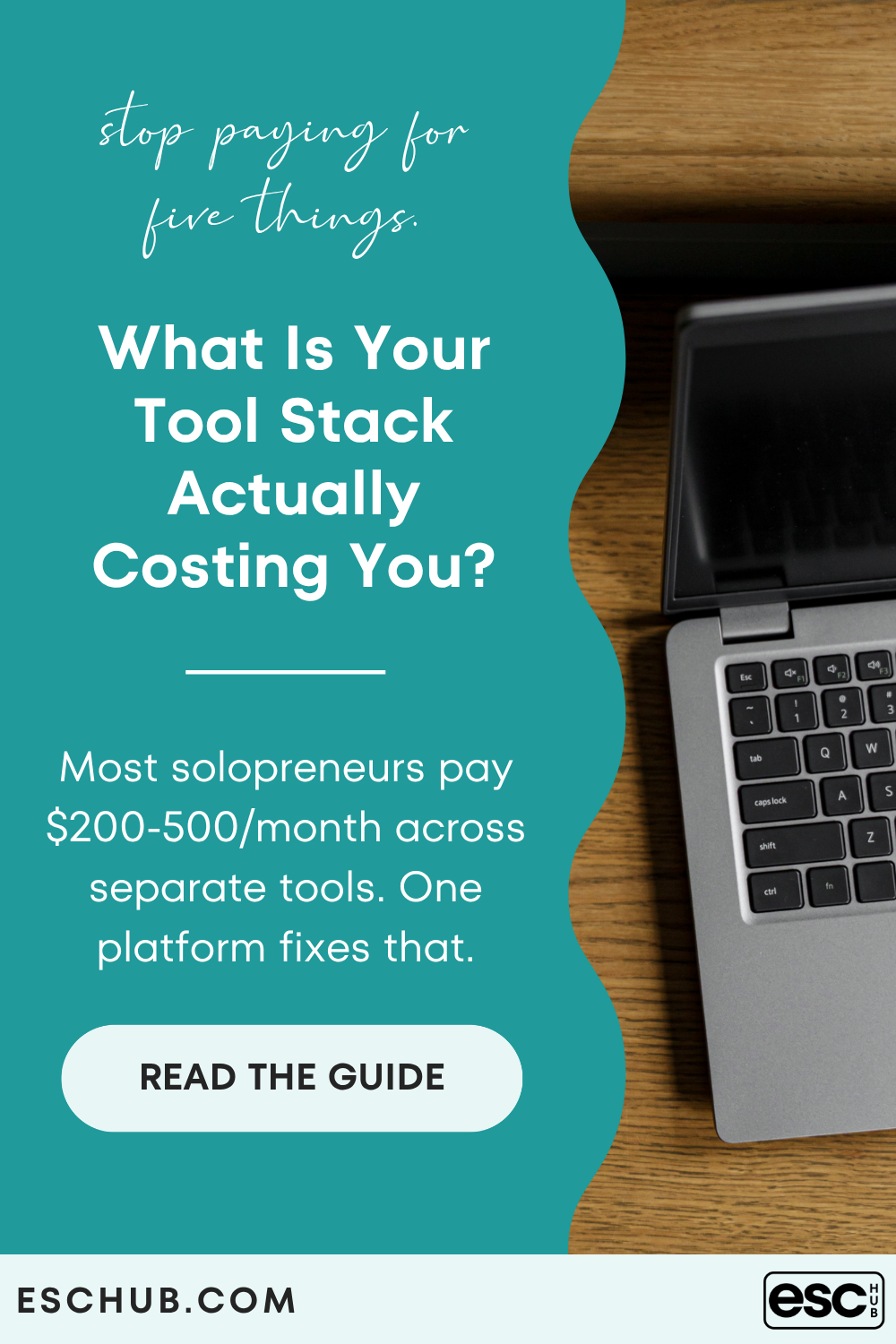
Find this useful? Click the Image below to save it for later.