How to Build a Lead Magnet Funnel (Step-by-Step Guide)
You have something valuable to offer. A checklist, a guide, a quiz, a short video - something that genuinely helps your ideal reader. But if that lead magnet is sitting on a Google Drive, buried in a thank-you page no one finds, or sending people nowhere after they download it, you don't have a funnel. You have a file.
A lead magnet funnel is the system that connects your free offer to your email list - and your email list to your paid offer. Without it, every person who downloads your freebie disappears. With it, they enter a sequence that builds trust, delivers value, and when the time is right, gives them a reason to buy.
The good news: you don't need a complicated tech stack or a marketing team to build one. You need five connected pieces, set up in the right order. This post walks through each one.
What Is a Lead Magnet Funnel (and Why Most People Skip This Step)
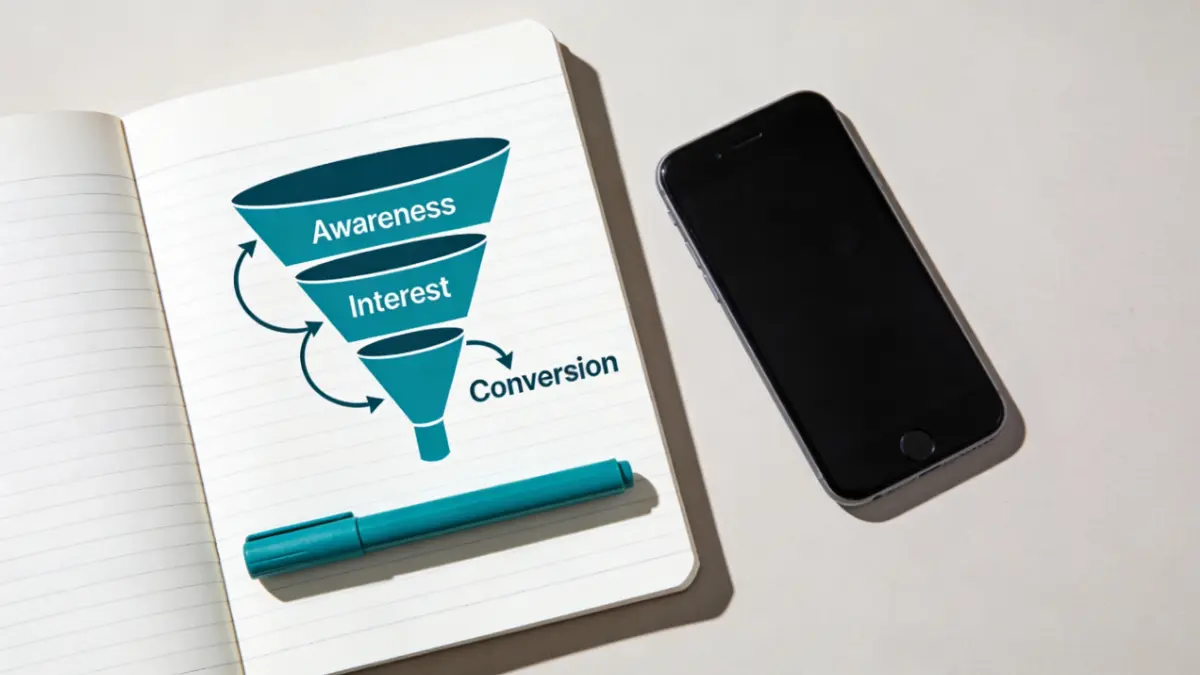
A lead magnet is a free resource you offer in exchange for someone's email address. A lead magnet funnel is everything that happens before, during, and after that exchange.
Most solopreneurs create the lead magnet and stop there. They set up a landing page, drive some traffic, get a few downloads - and then nothing. No follow-up. No sequence. No connection between the free thing and the paid thing. The lead magnet exists, but the funnel doesn't.
That gap is where most lead generation falls apart. Someone downloads your free guide, gets a generic 'thanks, here's your download' email, and never hears from you again. Three weeks later they can't remember who you are.
It's not just about getting the download - it's about what happens next.
Step 1: Choose a Lead Magnet Your Reader Actually Wants
Before you build anything, the lead magnet has to be right. Not right for you - right for the person you're trying to attract.
The most effective lead magnets for coaches and solopreneurs are:
PDF guide or checklist - fast to create, easy to consume, works well for step-by-step topics
Quiz lead magnet - high engagement, personalised results, works well when your audience has different starting points. Also gives you useful data about where your reader is in their journey
Short video - builds trust faster than text, works well if your offer involves teaching or coaching
Free template - high perceived value, works well when your reader has a specific task to complete
The rule is simple: your lead magnet should solve one specific problem for one specific person. The more targeted it is, the better it converts.
If you're not sure what to offer, look at the questions your ideal clients ask most often. The answer to their most common question is usually your best free resource.
Step 2: Build a Landing Page That Converts
Your lead magnet landing page has one job: get the opt-in. Nothing else.
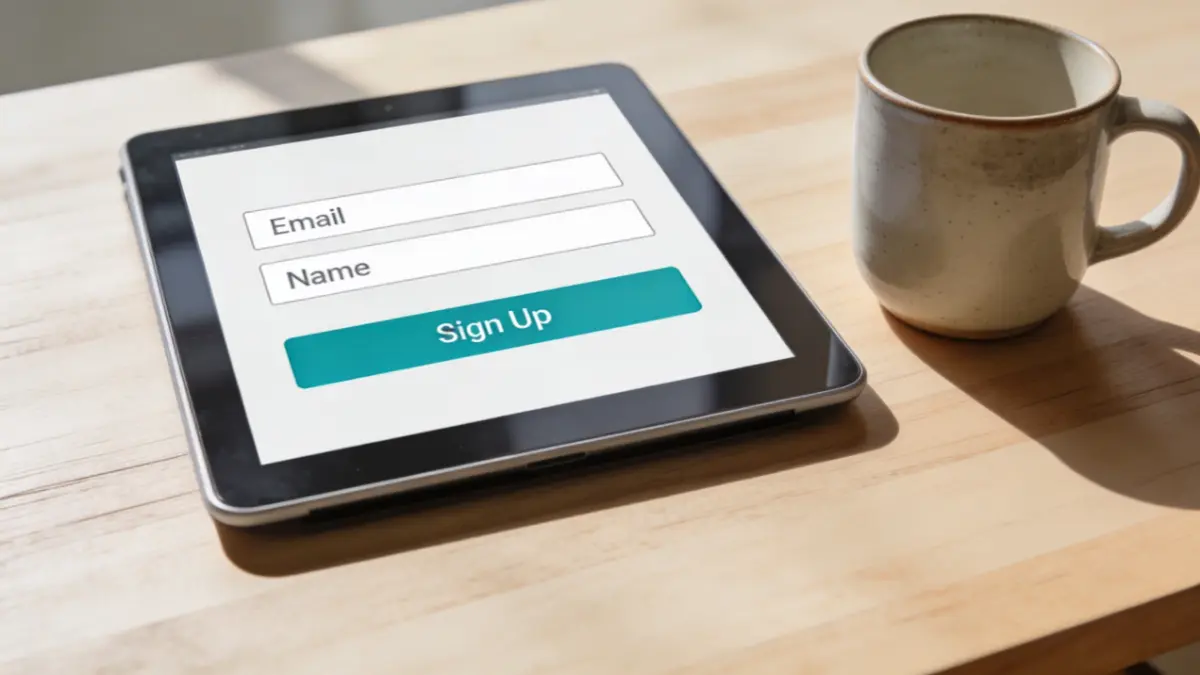
That means no navigation menu pulling people away, no links to your other pages, no distractions. Just a headline, a short description of what they're getting, an opt-in form, and a button.
A high-converting lead magnet landing page covers three things:
What it is - be specific. 'Free guide to building a lead magnet funnel' converts better than 'free business resource'
What they'll get from it - one or two sentences on the outcome, not just the content
What to do next - a clear, simple call to action on the button. 'Send me the guide' works better than 'submit'
Keep the page short. For a free lead magnet, you don't need a long sales page. You need enough information to make the decision easy.
Step 3: Deliver It Instantly - and Start the Follow-Up
The moment someone opts in, two things need to happen automatically:
They receive the lead magnet - immediately, not in 24 hours
They enter your welcome sequence
The delivery email should be simple. Thank them, give them the download link, set a clear expectation about what's coming next. One paragraph is enough. The goal of this email is not to sell anything - it's to deliver what you promised and start building trust.
This is where most solopreneurs drop the ball. They set up delivery but skip the follow-up. The welcome sequence is what turns a download into a relationship.
For the automation side of this, the post on automating your client onboarding process covers how to set up sequences that run without manual follow-up.
Step 4: Set Up the Email Sequence That Does the Selling
Your welcome sequence is a short series of emails - typically three to five - that go out automatically after someone downloads your lead magnet. This is not a newsletter. It has a specific job.
Each email in the sequence should do one of these things:
Reinforce why they made the right call downloading your lead magnet
Give them something useful - a quick tip, a related insight, a question that makes them think
Build credibility through specificity and helpfulness
Move them toward your paid offer - gradually, naturally, without a hard sell
The last email in the sequence is where you make the offer. By that point, they've heard from you multiple times, you've delivered value, and they trust you enough to consider what you're selling.
The sequence length depends on your offer. For a lower-priced product, three emails is usually enough. For a higher-ticket coaching offer, five to seven gives more time to build the case.
If you want to understand how different types of funnels connect to this sequence, the post on funnels for coaches breaks down which funnel type fits which offer.
Step 5: Connect Everything So It Runs Without You
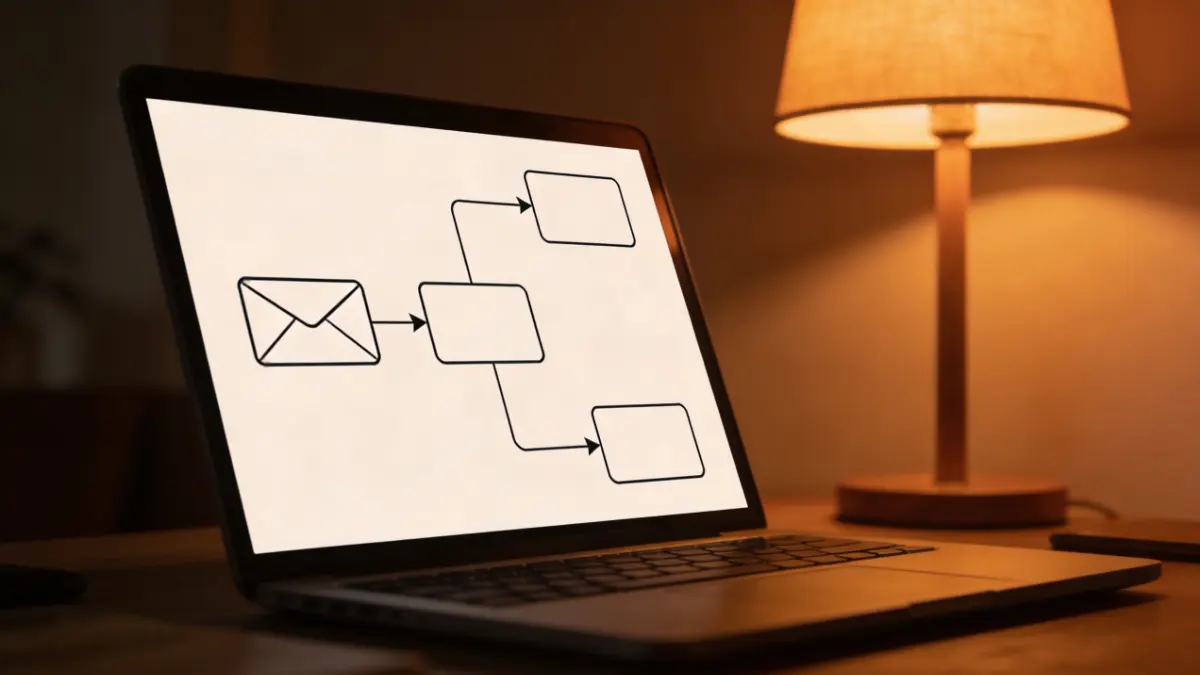
Once the five pieces are in place - lead magnet, landing page, delivery, welcome sequence, offer - the funnel needs to run automatically. That means:
Someone opts in - they receive the lead magnet instantly
They receive the lead magnet - they're added to the welcome sequence
They complete the welcome sequence - they've been introduced to your offer
This is where the tech matters. If your landing page is in one tool, your email in another, your CRM in a third, and your payments somewhere else, you're spending hours connecting things that should talk to each other automatically. Every disconnection is a place where leads fall through.
A tripwire funnel is one way to add a low-cost offer between the opt-in and the main offer - worth considering once the core funnel is working.
Common Mistakes That Break the Funnel Before It Starts
The lead magnet is too broad. ‘A guide to online business’ attracts everyone and converts no one. The more specific the problem, the better the opt-in rate.
The landing page has too many exits. Navigation menus, social media links, and extra offers pull people away before they opt in. Remove everything that isn’t the form.
The delivery email is the only email. If your welcome sequence starts and stops at the download link, you’re leaving the relationship - and the sale - on the table.
The offer comes too soon. Pitching in the first email before you’ve delivered any value is the fastest way to get unsubscribed. Let the sequence do its job first.
The tech doesn’t connect. If your landing page doesn’t automatically trigger your email sequence, you’re relying on manual steps that will eventually break down.
What a Lead Magnet Funnel Looks Like Inside ESC Hub
ESC Hub handles every stage of this funnel in one place. The landing page builder, the opt-in form, the delivery automation, the email sequence, and the CRM are all connected - no third-party integrations, no manual workarounds, no syncing lists between tools.
When someone opts in through a landing page built in ESC Hub, they’re automatically added to your contact list, the delivery email fires instantly, and they move into the welcome sequence - all without any manual steps.
What makes the difference for most coaches and solopreneurs isn’t just the software - it’s the team behind it. ESC Hub comes with support from people who know the platform and understand how you work, not a help desk that points you to documentation.
Most solopreneurs running this kind of funnel across separate tools - a landing page builder, an email platform, a CRM - are paying for three or four subscriptions at once. ESC Hub replaces all of them at a fraction of that cost.
For coaches and solopreneurs who don’t want to manage a stack of disconnected tools, this is what it looks like to have a funnel that actually runs without you.
It doesn’t need to be complicated. It needs to be connected. Five pieces, in the right order, running automatically - that’s it.
Start your free 14-day ESC Hub trial at eschub.com.
Click to Save this for later...