CRM and Marketing Automation: Why Small Businesses Need Both
If you are running a small business and paying for a CRM and a separate email marketing tool, you have probably noticed something: they do not talk to each other as well as they should.
A lead opts in and enters the email platform. But does the CRM know? A client buys. Does the nurture sequence stop? A contact books a call. Does the pipeline update?
In most cases, the answer is: only if someone manually makes it happen. And that is the problem this post is about.
CRM and marketing automation are different things - but for a small business owner, they need to live in the same system. This post explains why, what goes wrong when they do not, and what connected actually looks like in practice.
What is a CRM and what does it actually do?
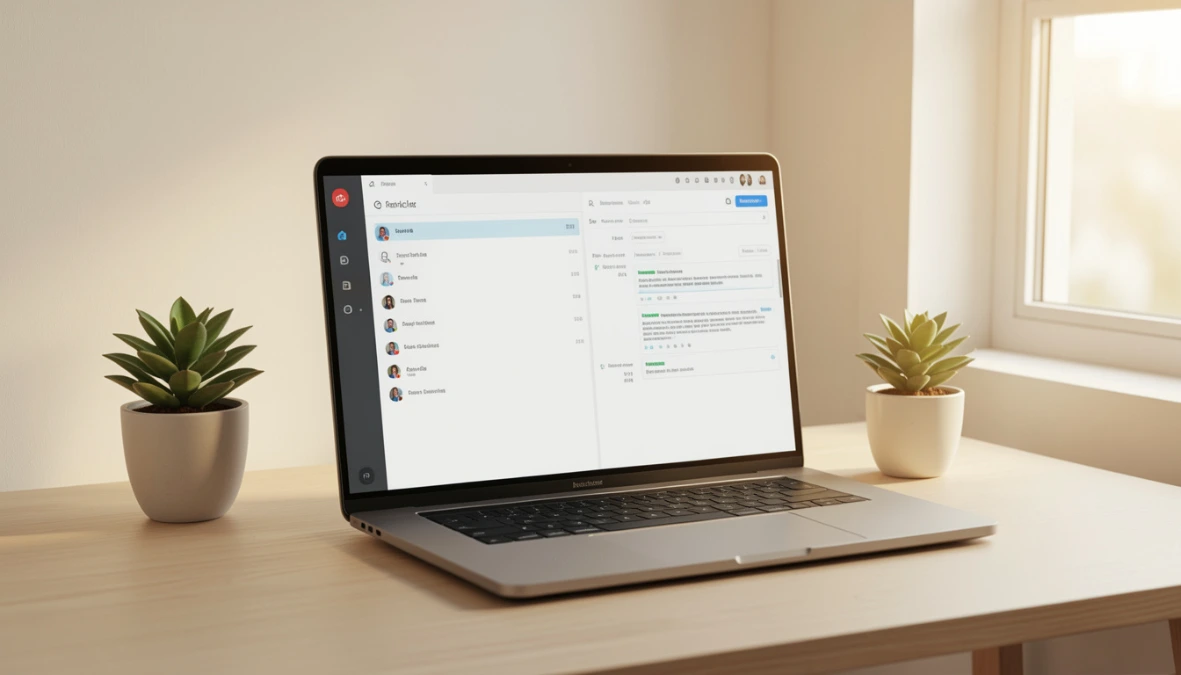
A CRM - Customer Relationship Management - is a system that stores contact records, tracks where each lead and client is in the relationship, and surfaces the next action needed.
Think of it as the memory of your business. Who is in the pipeline. What has been discussed. What needs to happen next. When someone should be followed up with. Without a CRM, that information lives in an inbox, a spreadsheet, or someone's head - and leads go cold because nobody followed up.
A CRM manages individual relationships. One contact, their full history, their current stage, their next action. It is not about sending emails at scale. It is about knowing exactly where each person is and what they need from you next.
What is marketing automation and how is it different?
Marketing automation handles communication at scale. It is the system that sends email sequences, tags contacts based on behaviour, nurtures leads through a defined journey, and triggers follow-up workflows automatically.
When someone downloads a lead magnet, a welcome sequence starts automatically. When someone clicks a pricing page link, they get tagged as a warm lead. When someone books a call, a reminder sequence triggers. The business owner sets these up once and they run without manual input.
Marketing automation is not about individual relationships. It is about scalable communication - many contacts, defined journeys, automatic responses to what each person does. It is what makes a small business feel bigger than it is, because the communication keeps happening even when the owner is not at their desk.
CRM vs marketing automation: the key differences explained

The confusion between these two terms is understandable. Many tools market themselves as doing both when they only do one well - or they offer both features but in separate modules with no real connection between them.
CRM is about individual relationship management. It answers: who is this person, where are they in the journey, and what needs to happen next with them specifically.
Marketing automation is about scalable communication. It answers: what should this type of contact receive based on what they have done, and when should they receive it.
One manages the relationship. The other communicates at scale. Both are necessary. Neither replaces the other.
The real question is not CRM vs marketing automation - it is whether the two are connected. What a simple CRM for small business actually needs to do is only half the answer. The other half is whether that CRM knows what the marketing automation is doing - and responds accordingly.
Why small businesses need both - and why they need them connected
A CRM without marketing automation means the business owner is manually sending every follow-up email, manually nurturing every lead, and manually triggering every communication. The relationship management is there but the scale is not. The business grows until the manual workload becomes unsustainable.
Marketing automation without a CRM means emails go out without context. The system does not know whether a contact is a brand new lead or a long-standing client. Whether they have already bought or are still considering. Whether they have had three calls with the founder or never interacted beyond an opt-in. The communication happens but the intelligence behind it is missing.
Together, CRM and marketing automation make the whole lead-to-client journey work properly. The CRM knows who everyone is and where they are. The automation responds to what they do. When the two are in the same system, every action a contact takes updates the relationship record and can trigger the right response automatically.
That is the combination that turns a small business into one that runs consistently - not just when the owner is actively managing it.
What happens when CRM and marketing automation are separate tools
This is the section most people reading this post will recognise. These are not hypothetical scenarios. They happen every day in businesses running disconnected tools.
A new lead opts in and enters the email platform but not the CRM. The business owner does not know they exist until they manually check the email tool - which may not happen for days. The lead receives the automated welcome sequence but never enters the pipeline. If they go cold before the owner notices them, there is no follow-up.
A lead books a call but the CRM does not update. The business owner joins the call with no record of who this person is, what they have received, or where they are in the journey. The relationship starts on the back foot.
A client buys but the nurture sequence keeps running. The email platform does not know about the purchase. The new client receives a sales email for a product they already own. The relationship is damaged before it has properly started.
A warm lead clicks the pricing page three times but receives the same generic newsletter as everyone else. Because there is no tagging connecting their behaviour to their communication, their signal of intent goes unrecognised and unfollowed up.
Automating the manual processes that fall through the gaps is only possible when the system has a complete picture of each contact. When the CRM and the automation are separate, the picture is always incomplete.

What an integrated business system looks like in practice
The same scenarios - connected.
A new lead opts in. They are in the CRM immediately, tagged as a new lead, and a nurture sequence starts automatically. The business owner can see them in the pipeline from the moment they opt in. No manual step required.
A lead books a call. The CRM record updates. The pipeline stage moves to "booked". A pre-call reminder sequence triggers. The business owner joins the call knowing exactly who this person is, what they have received, and where they are in the journey.
A client buys. The nurture sequence stops automatically. An onboarding sequence starts. The CRM record reflects the purchase. The relationship transitions from prospect to client without any manual intervention.
A warm lead clicks the pricing page three times. They are tagged as high intent. Their pipeline stage updates. A targeted follow-up email goes out within the hour - not a generic newsletter but a specific message that acknowledges where they are in the decision.
Every scenario runs without the business owner manually bridging two tools. The system responds intelligently to what each contact actually does - because the CRM and the automation are looking at the same data.
What to look for in a business management platform
If you are evaluating platforms that offer both CRM and marketing automation, these are the things that actually matter for a small business owner.
Native integration - not a third-party connector that requires maintenance and breaks when either tool updates. The CRM and the automation should be built together, not bolted together.
A single contact record that updates across CRM and email from one action. One opt-in should create one record that both systems read from.
Automation that triggers from CRM events, not just email behaviour. Pipeline stage changes, booking events, and purchase events should all be able to trigger automations.
A clean interface that does not require a training course. A system the business owner avoids using is worse than no system at all.
Pricing that reflects small business scale. Per-seat or per-contact fees that grow unpredictably are a sign the platform was built for a different customer.
Support from a real team. When an automation misfires or a sequence does not trigger, the answer should come from a person who understands the business - not a help article.
All-in-one software that connects CRM and marketing automation natively removes the integration problem at the source - not by connecting two separate tools but by building both into the same system from the start.
How ESC Hub connects CRM and marketing automation in one place
ESC Hub was built specifically for coaches, consultants, and small business owners who need CRM and marketing automation in the same system - not integrated through a connector but genuinely native.
When a contact opts in, they are in both the CRM and the email system simultaneously. When they buy, both systems update from one event. When they book, the pipeline moves and the automation responds. One contact record. One system. No gaps between the relationship data and the communication that responds to it.
The result is a business that follows up consistently, communicates intelligently based on what each contact actually does, and does not require the owner to manually bridge two tools every time something changes.
The support behind it is worth noting. Daily live coaching calls, Monday to Friday. A dedicated tech support manager. A team that understands the way a small service-based business actually works - and is invested in whether the system is delivering results, not just whether it is technically functional.
If you want CRM and marketing automation in one place - with a team behind it - start your free 14-day ESC Hub trial at eschub.com.
Find this useful? Click the Image below to save it for later.