Automated Funnels: How a Solo Coach Turns a Manual Funnel Into a Hands-Off System
You built a funnel. It works, mostly. But every time someone opts in, you are the one sending the welcome email, moving them to the right list, remembering to follow up, and copying their details into wherever you keep client info. That is not a funnel. That is you doing a funnel's job by hand.
Automated funnels are marketing funnels where the follow-up runs on its own - the emails, the tagging, the reminders, the next offer all fire automatically once someone opts in, so you are not manually pushing every lead through each step. The point is simple: you set it up once, and it keeps working while you coach, sleep, or take a day off.
This is where a lot of solo coaches get stuck. You know your funnel should be running without you. You just don't trust it to, because you've never seen it work end to end. Let's fix that.
What are automated funnels, really?
A manual funnel gets someone from stranger to buyer, but only if you personally do the connecting steps. An automated funnel does those steps for you.
Think about what actually happens after someone downloads your free guide. In a manual setup, you notice the signup, send a thank-you, wait a few days, remember to pitch your offer, then chase the ones who didn't reply. In an automated funnel, all of that is built once and runs the same way every time, whether one person opts in or forty do overnight.
The difference is not the funnel structure. It's who does the labour. Automation moves the repetitive, timing-based work off your plate and onto a system that never forgets and never gets busy. If you want the plain-English version of how funnels work before going deeper, the complete guide to funnels for coaches lays out the whole picture without the jargon.
Here's the part that matters for you as a one-person business. You don't have a team to catch the leads that slip. So the system has to. That is the whole case for automation.
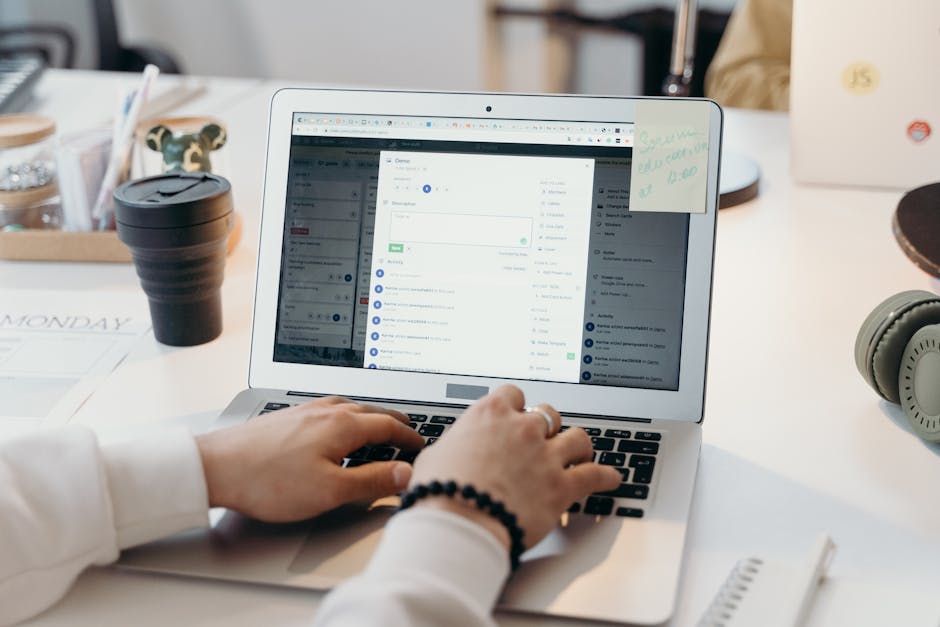
The manual funnel that's quietly costing you clients
Most solo coaches don't lose leads dramatically. They lose them in the gaps.
Someone opts in on a Friday evening. You see it Monday. By then they've forgotten who you are, and the moment they were interested in you has passed. That gap between interest and follow-up is where money leaks out, and it happens every single week when a human is the link between steps.
Automation closes those gaps. The welcome email sends within seconds, not days. The follow-up sequence runs on schedule whether you're at your desk or not. The lead who didn't buy gets a reminder without you having to keep a mental list of who to nudge.
Speed matters more than most coaches think. Research on lead response found that companies contacting a new lead within an hour were far more likely to have a meaningful conversation than those who waited even a little longer, according to a widely cited study in Harvard Business Review. You cannot beat that speed by hand. A system can hit it every time.
If your follow-up is still living in your head or a sticky note, that's not a discipline problem. It's a design problem, and it's fixable.
What a hands-off funnel actually does for you
An automated funnel isn't one big thing. It's a handful of small jobs that used to sit on your to-do list, now handled the moment they need doing.
- Delivers the freebie - the lead magnet or opt-in gift arrives instantly, no manual email from you.
- Sends the welcome sequence - a set of emails that introduce you and warm the lead up while the interest is fresh.
- Tags and sorts the contact - so you always know where each person came from and what they want.
- Makes the offer - the pitch email or sales page shows up on the right day, every time.
- Follows up with non-buyers - a reminder or second touch goes out without you tracking anyone.
- Books the call or sale - the booking link or checkout is right there when they're ready.
None of these are complicated on their own. The problem is doing all of them, for every lead, forever, by hand. That's what burns you out and what makes your funnel feel unreliable.
Automation is really just the practice of taking a repeatable process and letting software run it. If you want the broader case for that beyond funnels, automation of manual processes shows how it applies across a whole small business, not just marketing.
How do you build automated funnels without the tech mess?
This is the part that scares people off, and fairly so. Most automation setups involve a funnels builder here, an email tool there, a booking app somewhere else, and a stack of connectors holding it all together with tape.
Start with the map, not the tools. Write out the exact steps a lead takes from opt-in to purchase. What email do they get first? What happens on day three? What triggers the offer? When you can see the path on paper, the automation is just wiring those steps together.
Then build in the right order. Get the opt-in and delivery working first. Add the welcome sequence. Then the offer. Then the follow-up. Testing one piece at a time is how you end up trusting the whole thing, instead of flipping a switch and hoping. The step-by-step funnel setup for coaches short on time walks through that build order without assuming you're technical.
One more rule: keep it in as few tools as you can. Every extra app you connect is another thing that can break at 11pm before a launch. The fewer moving parts, the fewer 2am panics.
Do you need a separate funnels builder for this?
You need something that builds the pages and something that runs the automation. Those don't have to be two different products.
Plenty of coaches end up with a page builder, an email platform, a CRM, and a booking tool that were never meant to talk to each other. Getting them to share data reliably is its own job, and it's the reason funnels break. When the page builder and the automation live in one place, the follow-up just works, because nothing has to be handed off between systems.

How to know your automated funnel actually works
Building it is one thing. Trusting it is another. Here's how you get to the point where you stop checking your inbox over and over to make sure it ran.
Run yourself through it. Opt in with a test email and watch every step happen the way you designed it. Did the freebie arrive? Did the welcome email land on time? Did the tag get applied? If any step misses, you found it before a real lead did.
Then check your numbers, not your gut. How many people opt in, how many open the sequence, how many buy. Those numbers tell you where the funnel leaks so you can fix one step instead of rebuilding everything. A funnel you can measure is a funnel you can improve, and it stops the guessing.
Once it's tested and tracked, the shift is real. You stop being the bottleneck. Leads move through whether you're working or not, and you get to spend your time coaching instead of copying email addresses between apps.
Bringing it into one place: where ESC Hub fits
Here's the honest problem with most automated funnels: they run across five or six tools, and the automation is only as reliable as the weakest connection between them. When something breaks, you're the one debugging integrations instead of coaching.
ESC Hub is an all-in-one platform that puts the whole funnel under one roof - the landing pages, the email sequences, the CRM, the bookings, the automations, the community. Up to twenty separate tools, replaced by one system where every part already talks to every other part. Your welcome email fires the moment someone opts in because the page and the automation aren't two products stapled together. They're the same one.
But the tool isn't the reason to choose it. The reason is the team behind it. When your funnel does something you don't understand, or a launch is tomorrow and a sequence won't send, you get a real person who helps you fix it, not a help doc and a ticket number. For a solo coach with no tech department, that support is the difference between a funnel you trust and one you're scared to touch. If you're weighing what running everything in one place looks like, this breakdown of an all-in-one software for small businesses makes the case plainly.
You don't need to become technical to run automated funnels. You need a system that holds together and people who pick up when it doesn't.
Frequently Asked Questions
What is an automated funnel?
An automated funnel is a marketing funnel where the follow-up steps - emails, tagging, reminders, and offers - run on their own once someone opts in, instead of you doing each step by hand. You build it once and it works the same way for every lead.
How are automated funnels different from a regular funnel?
The funnel structure is the same. The difference is who does the work between steps. A regular funnel needs you to send emails and move leads along manually, while an automated funnel does that connecting work for you every time.
Do I need to be technical to build one?
No. If you map your steps first and build them one at a time, the setup is mostly wiring, not coding. Using a single system where the pages and automation already connect removes most of the technical trouble.
How long does it take to set up an automated funnel?
A simple opt-in-to-offer funnel can be built in a day or two once you know the steps. The time goes into writing the emails and testing each piece, not the technical build itself.
Will an automated funnel really replace manual follow-up?
For the repeatable parts, yes. Welcome emails, tagging, reminders, and scheduled offers run without you. You still handle the personal conversations, but the system stops leads from slipping through the gaps.
If you're tired of being the link that holds your funnel together, the fix is running it all in one place with people to call when something breaks. That's what ESC Hub is built for - your funnel, your email, your CRM, and your bookings in a single system, with a team that helps you make it work instead of leaving you to figure it out alone. Set the funnel up once, and let it do the following-up while you get back to coaching.