What Is a Sales Pipeline for Coaches? A Plain Guide to Tracking Your Leads
You had a great discovery call on Tuesday. It's now Friday and you can't remember if you sent the follow-up, or if she said she'd get back to you, or if you're the one who dropped the ball. That feeling in your stomach is the sound of a lead going cold.
If you're wondering what is a sales pipeline for coaches, here's the short version: a sales pipeline is a visual way to track every potential client from the moment they raise their hand to the moment they pay you, sorted into stages so you always know who needs a nudge and who's ready to buy.
That's it. No dashboards full of graphs you'll never read. Just a clear line of sight on the people who might work with you, so nobody slips through the cracks because you got busy.
What is a sales pipeline for coaches, really?
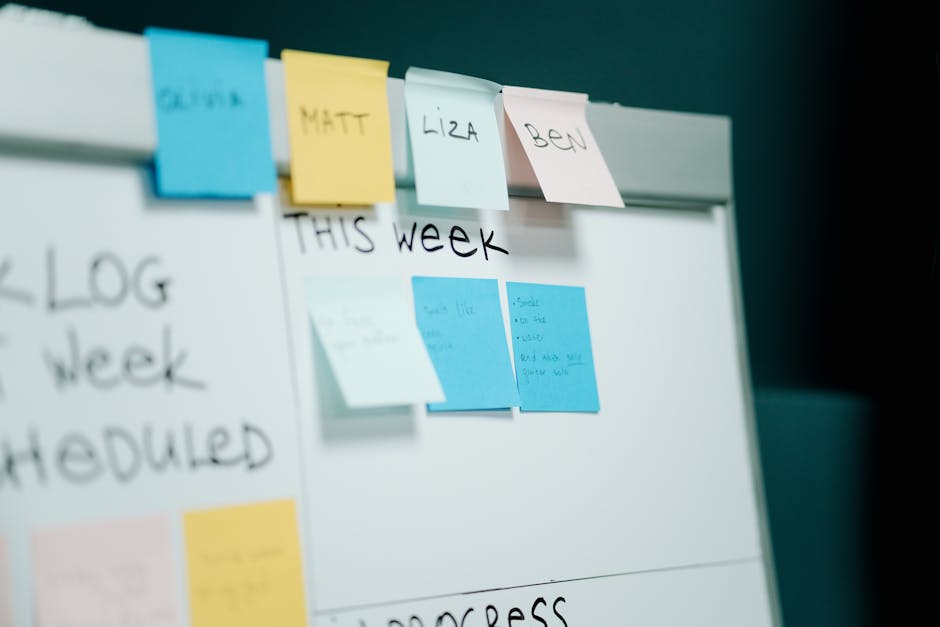
Think of your pipeline as a set of buckets your leads move through. A lead starts in the first bucket the day they book a call or reply to your email. They move forward as the conversation heats up. They exit when they buy or when they clearly say no.
For most coaches, the stages look something like this:
- New lead - they filled in a form, replied to a post, or booked a call.
- Call booked - a discovery or sales call is on the calendar.
- Proposal sent - you've made the offer and they're deciding.
- Follow-up - they went quiet and need a check-in.
- Won - they paid.
- Lost - it's a no, or a not-right-now.
The point isn't to have fancy stages. The point is that at any moment you can look at one screen and know exactly where every person sits. No guessing. No scrolling back through your inbox at 10pm.
A pipeline is different from a marketing funnel. A funnel is about getting strangers to notice you and become leads. A pipeline picks up after that and manages the actual people you're in conversation with. If that line feels blurry, this breakdown of the difference between a sales funnel and a marketing funnel clears it up.

Why do coaches lose so many leads without one?
Coaching is a relationship business, which is exactly why it's so easy to lose track. You're not selling a widget with a checkout button. You're having conversations, and conversations need follow-up.
Most people who don't buy on the first call still might. Research on sales follow-up has long shown that a large share of deals close after the fifth contact, yet most people give up after one or two. The gap between "she seemed interested" and "she paid" is usually just three or four follow-ups you never got around to sending.
Without a pipeline, those follow-ups live in your head. And your head is already full - client sessions, content, admin, life. So the follow-up gets skipped, the lead assumes you weren't that bothered, and they book with someone who chased.
You didn't lose that client because your coaching was worse. You lost them because you had no system telling you it was day three and time to check in.
How do you build a sales pipeline that fits how you actually work?
Start smaller than you think. You do not need six stages and colour-coded tags on day one. You need to see who's in the middle of a decision and what the next action is.
Step one: write down your real buying journey
Not the ideal one from a course. The actual path your last five clients took. Did they book straight from Instagram? Come from a referral? Sit on your email list for months first? Your stages should match what really happens, not a template.
Step two: define one next action per stage
Every stage should trigger a specific move. "Call booked" means send the reminder and the prep questions. "Proposal sent" means follow up in two days if you hear nothing. When each stage has a clear action, the pipeline runs you instead of the other way round.
Step three: decide what moves a lead forward
Be honest about what "ready" looks like. A lead who's asked about payment plans is further along than one who liked your post. Fuzzy stages are how people sit in "follow-up" for three weeks doing nothing.
If a chunk of your leads come through your email list, your pipeline and your sequences need to talk to each other. Pairing your stages with the right email sequences for coaches means a warm lead gets the right message at the right time without you writing it fresh every time.
Where the tool sprawl starts
Here's where most coaches go wrong. The pipeline lives in one place, the calls are booked in another, the emails go out from a third, and the payment happens in a fourth. Nothing talks to anything.
So a lead books a call, but your pipeline doesn't know. You send a proposal from your email tool, but nothing updates the stage. You end up copying names between tabs like a part-time data entry clerk, which is not why you became a coach.
This is the quiet cost of a stitched-together stack. It's not just the monthly fees. It's the ten minutes here and there, the double-checking, the lead who fell between two apps because neither one owned the follow-up. Before you add yet another subscription, it's worth reading about when to switch from free to paid tools without overpaying so you're not solving a workflow problem by buying more of them.
A pipeline only works when it's connected to everything around it. A disconnected pipeline is just a to-do list with extra steps.
What a connected pipeline looks like in practice
Picture the same Tuesday call, but everything is joined up. She books through your calendar and lands in your pipeline as "call booked" automatically. She gets a reminder and prep questions without you lifting a finger.
The call goes well, you move her to "proposal sent" with one click, and a follow-up email is queued for two days out in case she goes quiet. She pays, and she moves to "won" and drops into your onboarding flow. You never touched a spreadsheet.
That's the difference between a pipeline that's a chore and one that quietly does its job. And it's only possible when your booking, email, payments, and pipeline all sit in one place instead of shouting at each other across five browser tabs.
If your client onboarding is part of this chain, it's worth setting it up so it stays personal even when it's automated. This guide on how to automate client intake forms without losing the personal touch pairs neatly with a connected pipeline.
Bringing your pipeline into one place with ESC Hub
Once you accept that a pipeline only works when it's connected, the fix stops being "find a better CRM" and becomes "stop running your business across twenty tools."
That's what ESC Hub is built for. It's an all-in-one platform that holds your pipeline, email, landing pages, bookings, payments, automations, and community in the same place - so a lead who books a call actually shows up in your pipeline, and the follow-up sends itself. It can replace up to twenty separate tools, which means no more copying names between tabs.
But the features aren't the reason coaches stay. Plenty of platforms have a pipeline feature. The real difference is the support - a team that will get on a call and actually set the thing up with you, instead of pointing you at a help doc and wishing you luck.
If you've ever bought software, hit the wall on day two, and quietly let it lapse, you know that support is the whole game. A pipeline you never finish setting up is worth nothing. One that a real person helps you build around your business is worth the switch.
Frequently Asked Questions
What is the difference between a sales pipeline and a CRM?
A CRM (customer relationship management tool) is the wider system that stores all your contact records and history. A sales pipeline is one view inside that system that tracks where each lead sits in your buying process. The pipeline is a part of the CRM, not a separate thing.
How many stages should a coaching sales pipeline have?
Start with four to six stages: new lead, call booked, proposal sent, follow-up, won, and lost. More stages create more admin, not more sales. Add complexity only when your process genuinely needs it.
Do I need a sales pipeline if I only take a few clients a month?
Yes, and arguably more so. When you take a handful of clients, losing even one warm lead to a missed follow-up is a real dent in your income. A simple pipeline makes sure the few conversations you have all get finished.
Can I run my sales pipeline in a spreadsheet?
You can, and it beats nothing. But a spreadsheet won't book the call, send the follow-up, or update itself, so you're doing all the manual work. It usually falls apart the moment you get busy, which is exactly when you need it most.
Your pipeline isn't a nice-to-have. It's the difference between leads that close and leads you meant to follow up with. Build it small, keep the stages honest, and get it connected to everything else so it works while you're coaching. If you're done running that pipeline across a pile of disconnected tools, see how ESC Hub brings it all into one place - and put the setup in the hands of a team that will actually do it with you.