How to Start an Online Coaching Business: The Systems Setup Most Coaches Skip
Most guides on how to start an online coaching business spend a lot of time on the big questions - what is your niche, who is your ideal client, what will you charge. Those questions matter. But they are not where most new coaches get stuck.
Where coaches get stuck is the setup. What do you actually build? What connects to what? What needs to be in place before you can take your first booking and get paid? This post answers those questions in a practical sequence - from getting clear on your offer to having a system that works while you focus on coaching.
Start With Clarity, Not a Website

The biggest mistake new coaches make is building before they are clear. They spend weeks designing a website, choosing brand colours, and debating their business name - before they have had a single paying client or tested whether their offer lands.
Before you build anything, get clear on three things:
Who you help. Not 'anyone who wants to improve their life.' A specific person in a specific situation. The more precise you are, the easier everything else becomes - your messaging, your marketing, your offer.
What result you help them get. Coaching is a results business. The person paying you is paying for a change in their situation. Name that change clearly. 'I help women in their 40s who have left corporate go from idea to first paying coaching client in 90 days' is a positioning statement. 'I help people reach their potential' is not.
What your offer looks like. One offer to start. A one-to-one coaching package - three months, six sessions, a clear outcome - is the right starting point for most new coaches. It is easier to sell, easier to deliver, and easier to get feedback from. You can add group programmes, courses, and a membership site for coaches later. Start with one thing.
Once those three are clear, you are ready to build.
The Simple System Every Coaching Business Needs
Here is what the backend of a functioning coaching business actually looks like - and what you need to have connected before you open for clients.
A potential client finds you - through social media, a referral, a Google search. They land on a page that explains who you help and what you offer. They opt in to hear more, or they book a discovery call directly. An automated email sequence follows up. They book. They pay. They receive a confirmation and onboarding information automatically. You show up to coach them.
That sequence - from finding you to paying you - is a system. It does not require ten different tools. But it does require the right pieces connected in the right order.
Understanding what funnels actually do and which type your business needs is worth reading before you start building - it will save you time and money setting up the wrong thing first.
The core pieces every coaching business needs:
A landing page. One page that speaks directly to the person you help, names the result you deliver, and gives them a clear next step - opt in for a lead magnet or book a discovery call. Not a full website. One page. For a practical breakdown of how a website and funnel builder for coaches works as one connected system, that post covers the setup in detail.
An email sequence. When someone opts in, an automated sequence of three to five emails introduces you, builds trust, and leads to your offer. This is where most new coaches leave money on the table - they collect email addresses and never follow up. The sequence does the follow-up for you.
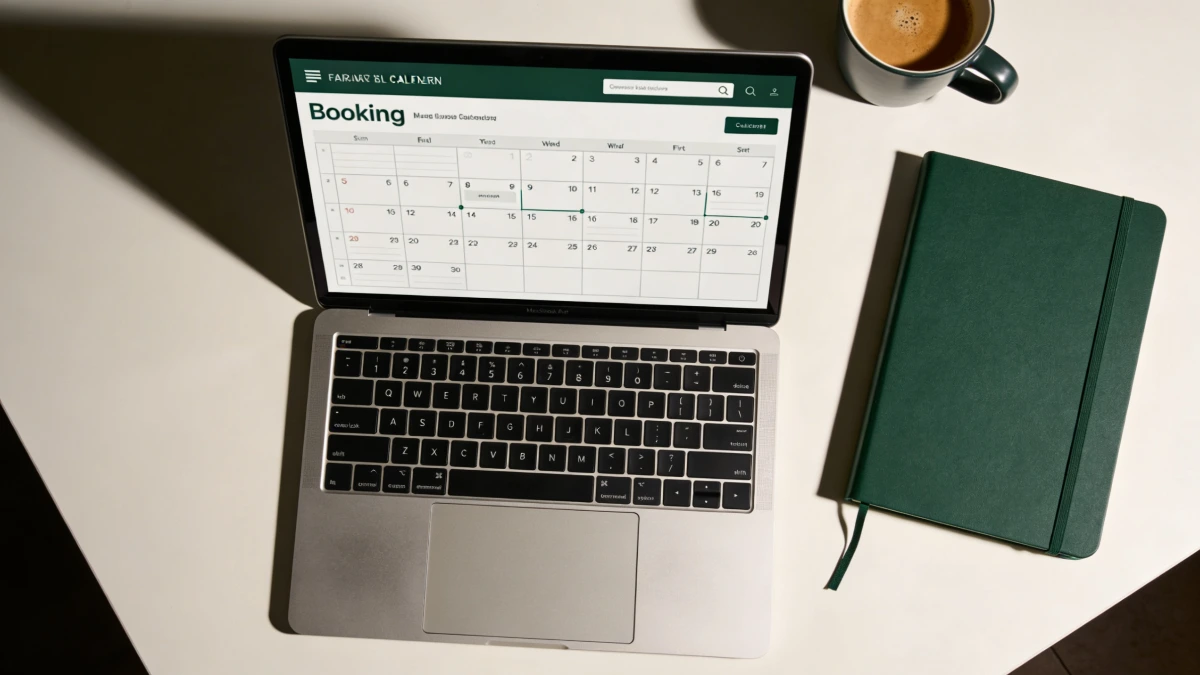
A booking page. A page where a prospective client can see your availability and book a discovery call without back-and-forth emails. Connected to your calendar. Confirmation sent automatically.
A way to get paid. A checkout page linked to your offer. When someone decides to work with you, they should be able to pay without you having to send a manual invoice.
A CRM. More on this below - but you need somewhere that tracks who has come in, where they are in the process, and what happens next.
The mistake most new coaches make with tech is building each of these pieces in a different platform and then trying to connect them. The result is a fragile system that breaks every time one platform updates, and hours spent troubleshooting instead of coaching.
Do You Need a Membership Site as a Coach?
The short answer: not yet.
A coaching membership site - where clients pay a recurring monthly fee for access to content, community, and live calls - is a strong business model. But it is a later-stage move, not a starting point.
Building a membership site for coaches requires content, a community to fill it, and enough trust in your delivery to commit to a recurring offer. Most coaches who try to launch a membership before they have one-to-one clients end up with an empty platform and no momentum.
Start with one-to-one coaching. Get clients. Deliver results. Get testimonials. Once you know exactly what your clients need and you have seen the patterns in what you deliver, you will have a clear picture of what a membership would contain - and an audience to launch it to.
When you are ready to add a membership, the platform you build your coaching business on from the start should support it. Moving platforms later is painful. Choose one that handles both.
The CRM Question: Why Solopreneurs Need One Earlier Than They Think

Most new coaches dismiss the idea of a CRM for solopreneurs as something they do not need yet. It feels like enterprise software - something for sales teams with hundreds of leads to track.
In reality, a CRM is just a record of who is in your world and where they are in the relationship with you. Who opted in last week. Who booked a discovery call but has not followed up. Who completed a coaching package and is a candidate for a referral ask. Who has been warm for three months but has not taken the next step.
Without a CRM, that information lives in your head - or gets lost entirely. You follow up inconsistently. You miss opportunities. You forget that someone expressed strong interest six weeks ago.
The best CRM for solopreneurs is not the most feature-rich one. It is the one that is connected to everything else - so that when someone opts in, their record is created automatically. When they book a call, it is logged. When they pay, their status updates. You are not manually entering data. It is all happening in the background while you coach.
For a deeper look at the best CRM for coaches and what to look for, that post covers the practical setup in full.
What to Set Up First - and What to Leave Until Later
New coaches consistently try to do too much too soon. Here is the sequence that actually works:
Month one: Get clear on your offer, your ideal client, and your positioning. Build one landing page. Set up a booking page. Connect them. Tell people you exist.
Month two to three: Get your first one-to-one clients - through outreach, referrals, or your existing network. Deliver the work. Get feedback. Refine your offer.
Month three to six: Build your email sequence. Add a lead magnet. Start creating content that brings people to your landing page consistently.
Six months and beyond: Once you have a system working and clients coming in, consider adding a group programme or membership. 'Automate your client onboarding process so new clients move from paying to starting without any manual effort from you.
The website can wait. The perfect brand can wait. What cannot wait is getting in front of the right people with a clear offer and a simple way for them to say yes.
The One Platform That Handles All of It
The system described above - landing page, email sequence, booking page, CRM, checkout - does not need to be built across five different platforms. It needs to be built once, in one place, where everything is connected by default.
ESC Hub was built specifically for coaches and solopreneurs who want a complete business system without the tech overwhelm. Your landing page, your email automations, your booking calendar, your CRM, and your checkout are all inside the same platform - talking to each other from day one. When a lead comes in, their record is created. When they book, you are notified. When they pay, the onboarding sequence starts automatically.
The ESC Hub team works with coaches every day. There are daily Monday to Friday coaching calls, and when something is not working the way you expected, you have a real team to reach - not a help article and a long wait.
If you are starting your coaching business and want a system that grows with you - from your first discovery call to your first group programme - start with one platform that handles all of it.
Start your free 14-day ESC Hub trial at eschub.com
Find this useful? Click the Image below to save it for later.