Uses of Funnels: What They Actually Do for Your Business
You have probably heard that you need a funnel. Maybe you have heard it a dozen times. But when you actually sit down to figure out what the uses of funnels are - and which one applies to your business right now - the answers you find tend to be either too basic or too complicated.
What a Funnel Actually Does
A funnel is a path. That is all it is.
Someone finds you - through a social post, a search, a recommendation. They land somewhere. They either take the next step or they leave. A funnel is the system you put in place to make sure that next step is clear, easy, and leads somewhere useful for both of you.
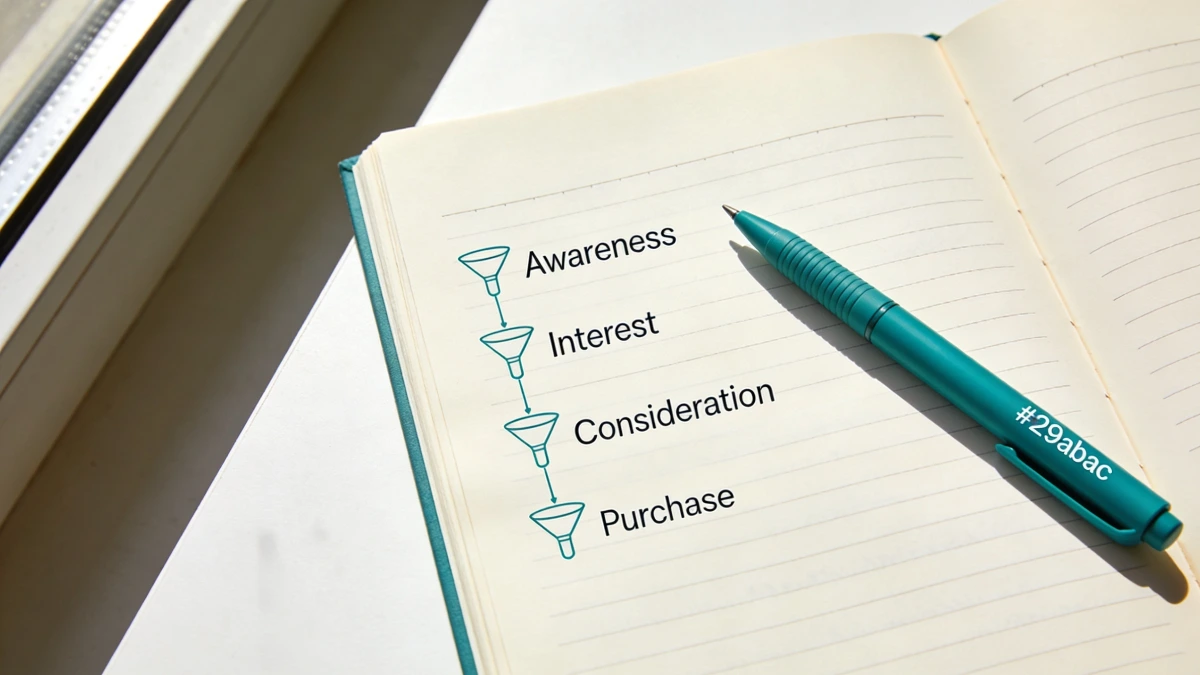
The word "funnel" comes from the shape of the process. A wide top - lots of people aware of you. A narrower middle - people who are interested. A narrow bottom - people who buy, book, or sign up. Most people you reach will not make it to the bottom. That is normal. The goal of a funnel is not to convert everyone - it is to make sure the right people move through without friction, and without you having to manually manage every step.
Without a funnel, you are relying on people to figure out what to do next on their own. Some will. Most will not.
The Main Uses of Funnels for Online Business Owners
Before looking at different types of funnels, it helps to understand the jobs a funnel can do. There are really only three core uses - and knowing which job you need done right now is the most important decision you will make.
Growing your list. A lead generation funnel collects contact details - usually an email address - in exchange for something of value. A free guide, a checklist, a short training. Someone lands on a page, opts in, and joins your list. From there, an automated email sequence takes over.
Making sales. A sales funnel takes someone from awareness to purchase. It might be a single page with a buy button. It might be a sequence of emails that educates and then sells. The job is to move someone from "interested" to "paying client" without a one-to-one sales conversation for every single person.
Booking calls or consultations. A booking funnel removes back-and-forth scheduling from your business. Someone lands on a page, reads enough to know they want to talk, and books directly into your calendar. You show up prepared. No email chains.
Most solopreneurs and coaches need all three eventually. The mistake is trying to build all three at once.
The Different Types of Funnels - and Who Each One Is For
Here is where most explanations go off the rails. They list twelve funnel types, walk through each one in equal detail, and leave you no closer to knowing what to actually build.
So here are the types that matter for a lean online business - and a plain-language version of what each one does.
The lead magnet funnel. A landing page offers something free in exchange for an email address. The person opts in, gets delivered the freebie, and enters an automated welcome sequence. This is the starting point for most online businesses and the funnel you will build first if you do not have a list yet.
The welcome sequence. Technically the email follow-up to a lead magnet funnel, but worth naming separately. Once someone opts in, a sequence of 3 to 7 emails introduces you, builds trust, and leads to an offer. This is where most list-building funnels fall apart - people collect emails but never follow up. The welcome sequence is what turns a subscriber into a warm lead.
The sales funnel. A dedicated page - or series of pages - designed to sell one specific offer. A short sales page, a checkout page, a thank-you page. For coaches and service providers, this is usually paired with a booking funnel rather than an instant purchase. For digital products under $100, it often works as a standalone page with a direct buy button.
The booking funnel. A page that explains what a discovery call or consultation involves, who it is for, and what happens next - followed by a calendar booking tool. This removes the friction of manual scheduling and means every person who books has already read enough to know they want to talk.
The tripwire funnel. A low-cost offer - usually $7 to $47 - offered immediately after someone opts in to a lead magnet. The reasoning is simple: a person who buys something small is far more likely to buy something bigger. If you have a paid entry-level offer, this funnel makes it work automatically.
You do not need all of these at once. If you are building from scratch, the lead magnet funnel paired with a welcome sequence is where to start. Get that working. Then add a sales page or a booking funnel. One funnel at a time.
Why Most Funnels Fail - and It Is Not the Strategy

The most common reason a funnel does not work has nothing to do with the type you chose or the offer you built. It is the tools.
Here is what a basic lead magnet funnel actually requires if you are stitching together separate platforms: a landing page builder to create the opt-in page, an email marketing platform to deliver the freebie and send the welcome sequence, a way to connect the two so that an opt-in automatically triggers the email, and somewhere to host any paid offer that follows.
That is three or four platforms before you have sold anything. Each one costs money. Each one has its own learning curve.
And every time something breaks - a form that does not connect, an email that does not fire - you are troubleshooting across multiple systems with no clear answer on where the problem is.
This is why so many solopreneurs have a half-built funnel sitting somewhere that never went live. It is not a strategy problem. It is a setup problem.
The solution is not a better strategy guide. It is having all of those pieces - landing pages, email sequences, automations, bookings - in one place, connected by default, with a team available when something does not work.
If you want to understand how to set up automated follow-up sequences that actually convert, how to build email automation for your online business is a useful next step. And if you are at the stage of mapping out your whole lead generation system, how to build a lead generation system from scratch walks through the full picture.
Which Funnel Should You Build First?
If you are not sure where to start, here is the short answer: build the funnel that solves your most immediate problem.
No list and no leads coming in? Build a lead magnet funnel and a welcome sequence. That is your only job right now.
Have a list but nothing is converting? Build a simple sales page for one offer and connect it to the emails you are already sending.
Getting enquiries but losing people in the back-and-forth of booking? Build a booking funnel and let your calendar do the work.
The mistake most online business owners make is skipping the first step and trying to build a full funnel system before they know what is working. A lead magnet funnel with a solid welcome sequence will tell you more about your audience, your offer, and your messaging than any amount of planning.
Build one. Get it working. Then add the next one.
For a practical breakdown of how landing pages fit into this, what makes a landing page convert covers what to include and what to leave out.
Building Your Funnel Without the Tool Sprawl
Once you know which funnel you are building, the next question is where to build it. Understanding the uses of funnels is one thing - having everything you need to run them is another.
If you are currently using separate tools for your landing pages, email marketing, and bookings - or if you have been putting off building a funnel because the setup felt too complicated - ESC Hub brings all of it into one place. Landing pages, opt-in forms, email sequences, automations, and booking pages are all connected inside one platform, which means your funnel works from day one without needing to wire anything together.
The ESC Hub support team works with members directly - not through a help database or a ticket queue - which is the reason most members who join for the software end up staying.
For most coaches, replacing three or four separate tools with one platform also means a lower monthly outlay - not a higher one.
If you have been putting off building your funnel because the tech felt too heavy, that is the problem ESC Hub was built to solve.
Start your free 14-day ESC Hub trial at eschub.com
Find this useful? Click the Image below to save it for later.